 Custom Mailer Boxes
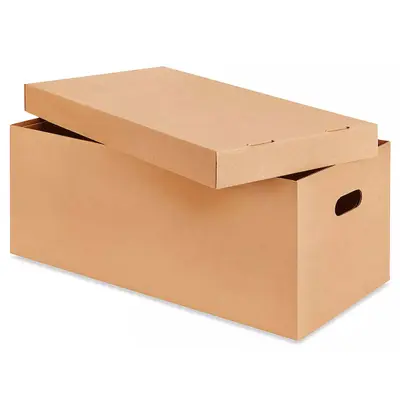 Custom Shipping Boxes
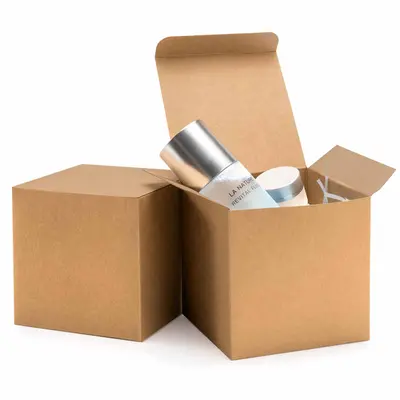 Custom Cardboard Boxes
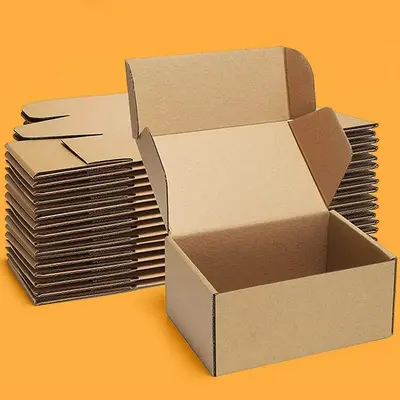 Custom Kraft Boxes
 Custom Product Boxes
 Custom Retail Boxes
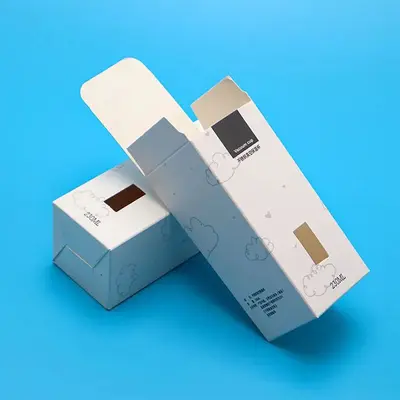 Custom Tuck End Boxes
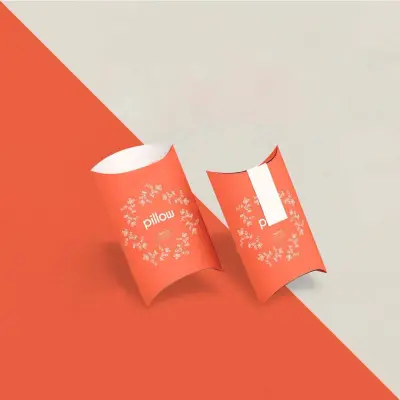 Custom Pillow Boxes
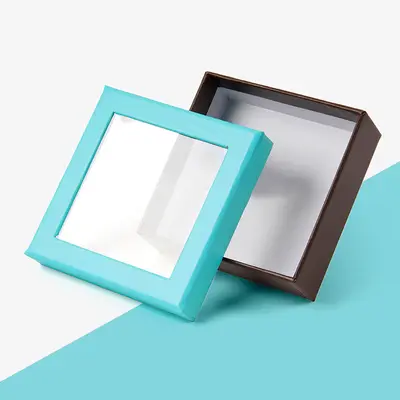 Custom Window Boxes
 Custom Rigid Boxes
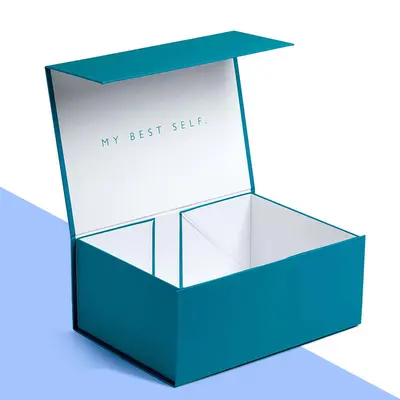 Custom Gift Boxes
 Custom Magnetic Boxes
 Custom Sleeve Boxes
 Custom Printed Boxes
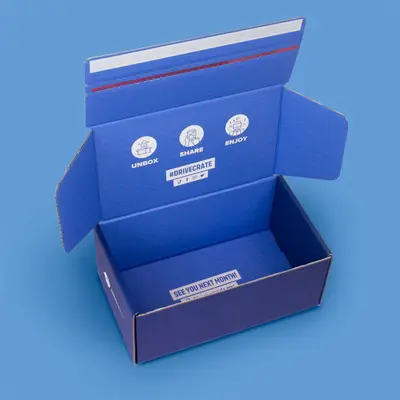 Custom Boxes with Logo
 Custom Box Inserts
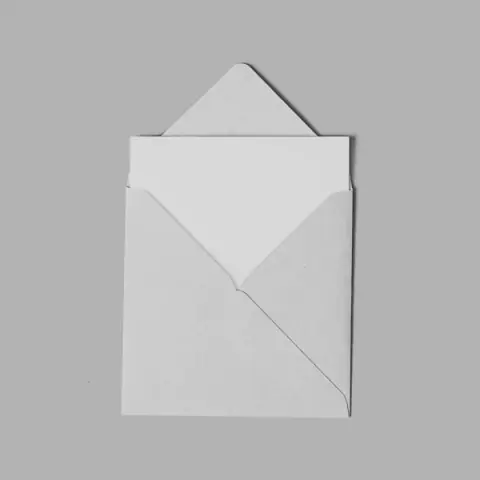


Custom Square Envelopes
Custom square envelopes give a square card the frame it deserves, rather than leaving it rattling around in a stock DL or C6. We print them in your colours, with a logo on the flap or a pattern inside, sized to the cards you actually make.
- Design proofFree, approved by you before printing
- PriceCustom quote by email within one working day
- Production4–7 working days after proof approval
- DeliveryFree and tracked, UK mainland, 2–3 working days
- Misprints or damageReported within 10 days, reprinted or refunded
Why Square Cards Need Square Envelopes
Square greeting cards and invitations have become a staple for designers and card shops, but standard envelope sizes are all rectangular. Pushing a square card into a rectangle leaves dead space, lets the card slide and bend in the post, and looks like an afterthought when it lands on someone's doormat.
A matched square envelope fixes all three. The card sits snug, the corners are protected, and the whole thing looks considered from the moment it is picked up. For card makers, it also tidies up the display: square cards and envelopes stack neatly in cello bags and on spinners.
Printing the envelope is the next step. A coloured envelope with a small logo on the flap turns a plain card sale into something that feels like a gift before it is even opened. For a matching set, the same artwork also works on our printed a5 notepads.
Working Out the Right Square Size
Measure the folded card and add a few millimetres on each side. For most card stocks, 3 to 5 mm of clearance lets the card slide in easily without leaving it loose. If the card is thick, has a ribbon, layers or a wax seal on the front, add a little more and tell us the depth so we can size the gusset or throat accordingly.
Popular square cards are around 145 mm and 150 mm, which pair with envelopes of about 155 mm and 160 mm. Smaller 120 mm notelets and larger 200 mm art cards are also common. If you sell several card sizes, it is usually worth printing two envelope sizes rather than squeezing everything into one. p1 Notelets that go with a pad are covered on our printed notepads page.
- Small cards and thank-you notes: around 130 mm square envelopes
- Standard square greeting cards: around 155 to 160 mm
- Large art and photo cards: around 210 to 220 mm
Often ordered by
- Greeting card designers
- Wedding stationers
- Independent card shops
- Photographers sending prints
- Event planners
- Brands sending thank-you cards
Popular Square Envelopes Sizes
Sizes are in mm. Every order is cut to your size, so any size between these rows is fine.
| Size | Often used for |
|---|---|
| Notelet square 130 x 130 mm | Thank-you notes and small cards |
| Standard square 155 x 155 mm | Most 145 to 150 mm greeting cards |
| Generous square 160 x 160 mm | Layered cards and invitations |
| Large square 220 x 220 mm | Art prints and large photo cards |
Not sure of the size? Send the product measurements and we work out the rest.
Styles
- Square wallet flap envelope
- Square diamond pointed flap
- Rounded flap envelope
- Square envelope with gusset for thicker cards
Materials
- 100 gsm uncoated paper
- 120 gsm uncoated paper
- 140 gsm premium paper
- Kraft paper
- Coloured papers
- Full colour outside
- Printed inside pattern
- One or two spot colours
- Return address printing
Finishes
- Smooth uncoated
- Textured laid or linen stock
- Gold or silver foil on the flap
Extras
- Gummed flap
- Peel and seal strip
- Printed address panel
- Packed in matched sets with cards
Not sure which material or finish suits? Tell us how the envelope will be used and we suggest one in your custom quote.
Production and Delivery
Production takes 4–7 working days after you approve the free design proof. Delivery to the UK mainland is free and tracked, and arrives in 2–3 working days once the order leaves production. The tracking link comes to you by email.
Reprints and Refunds
Check the order when it arrives. If anything is misprinted or damaged, report it within 10 days with a photo and we reprint or refund the items affected. Read the full returns and reprints policy.
Need it by a date?
Tell us the date with your sizes and we plan the proof and production around it.
Square Envelopes Specification
| Style | Square wallet flap envelope, Square diamond pointed flap, Rounded flap envelope, Square envelope with gusset for thicker cards |
|---|---|
| Material | 100 gsm uncoated paper, 120 gsm uncoated paper, 140 gsm premium paper, Kraft paper, Coloured papers |
| Full colour outside, Printed inside pattern, One or two spot colours, Return address printing | |
| Finish | Smooth uncoated, Textured laid or linen stock, Gold or silver foil on the flap |
| Extras | Gummed flap, Peel and seal strip, Printed address panel, Packed in matched sets with cards |
| Size | Made to your size in mm |
| Minimum order | Low, quoted per job |
| Price | From £0.25 an envelope; custom quote by email within one working day |
| Proof | Free design proof before printing |
| Production | 4–7 working days after proof approval |
| Delivery | Free tracked UK mainland delivery, 2–3 working days |
Paper Weights, Colours and Flap Styles
Envelope paper usually runs from 100 to 140 gsm. Lighter stock folds crisply and keeps postage weight down, while heavier stock feels more premium and hides the card's design through the paper, which matters for dark or busy card artwork. Coloured, white, ivory and kraft papers are all available, and we can print a solid colour over white if you need an exact brand shade.
Flaps can be a straight wallet flap, a pointed diamond flap or a rounded flap. Pointed flaps feel traditional and suit wedding stationery. Straight flaps look clean and contemporary and leave a wider area for a printed logo or return address. Choose between gummed flaps you moisten and peel-and-seal strips, which are quicker for large mail-outs. p1 Textured and kraft stocks are shown on our invitation envelopes page.
What You Can Print on Square Envelopes
The front can carry a logo in the corner, a return address, or a printed panel for a handwritten name. The back flap is the most common spot for branding because it is the last thing the recipient sees before opening. Printing inside the envelope, such as a pattern liner effect, is popular with stationers who want a reveal when the flap lifts.
Keep in mind that the address area needs to stay readable for Royal Mail sorting. Leave a clear, pale space on the front for the address and stamp, and keep heavy patterns to the flap, the back or the inside. p1 Monogram and foil options are compared in the guide to print and finish options.
Matching Envelopes Across a Card Range
Card designers rarely sell one card. If your range spans birthdays, sympathy, new baby and thank-you designs, the envelopes can either stay the same across everything or shift colour to suit each theme. A single envelope colour is simpler to stock and cheaper to print in one longer run. A small palette of three or four colours, each picking up a shade from the card fronts, looks more hand-picked on a shelf and helps customers pair cards quickly.
Another approach is one envelope colour with a different inside print per collection. The outside stays consistent for stock control, while the inside pattern ties each envelope to its card. This works especially well for wedding suites, where the invitation, RSVP and thank-you cards each get their own envelope size but share a liner pattern.
Whichever way you go, order the envelopes with the card artwork in front of you. Hold the proof against a printed card so you can judge whether the colours sit well together under normal shop lighting. p2 Christening ranges often use a cream envelope with our printed christening invitations.
Packing, Posting and Selling Square Cards
Retail cards are usually sold with the envelope tucked behind the card inside a clear cello bag. Square envelopes make this tidy because the card and envelope line up edge to edge, with no awkward overhang. If you sell online, consider sending each card with the envelope already inside a hard-backed mailer so the corners arrive square.
For trade orders to shops, pack cards and envelopes in matched bundles of six or twelve per design. Shop owners appreciate not having to sort envelopes by size, and it reduces the chance of a mismatched pair going out to a customer.
Square envelopes are fine to post in the UK, but they can be treated differently from standard letters depending on their size, thickness and weight, so check current Royal Mail guidance for your exact envelope before a big mail-out. Larger squares often fall into a different price band than smaller ones, which is worth knowing if you sell cards by post.
If you are mailing to customers, a slightly heavier paper and a peel-and-seal flap reduce the chance of corners being crushed or flaps opening in transit.
A simple habit that helps: weigh one finished card in its envelope on a kitchen scale before you buy postage in bulk, since a heavier envelope stock or an added insert can tip it into the next band. p4 Cards sold in sets can be banded with a printed belly band instead of a bag.
Fold the Proof Round One of Your Cards
Square envelopes are cut to the card, so the card is what we need to know. Measure the folded card, say whether it is flat or layered with ribbon or a wax seal, and tell us the card stock weight; a thick card wants 5 mm of clearance rather than 3. If you sell two card sizes, order two envelope sizes in the same job rather than forcing both into one.
Pick the paper weight from the card artwork: a dark or busy design shows through 100 gsm, so go heavier or ask for a printed interior. Decide the flap and the closure, then send the logo for the flap. The custom quote arrives by email within one working day, from £0.25 an envelope, with the minimum set per job.
When the free proof arrives, print it at full size, fold it round a real card and check the fit and the colour under shop lighting before you approve it. Production takes 4 to 7 working days after that and the envelopes reach UK mainland addresses by free tracked delivery. Card makers launching a baby range usually add square baby shower invitations in the same stock.
Design Your Square Envelope
Choose the square envelopes photo closest to what you have in mind, add your logo, drag it into place and set the size. Send it with your sizes and we reply with a custom quote and a free design proof.
Drag the logo, or select it and use the arrow keys (Shift moves faster, + and − resize).
Related Products
Other packaging that is often ordered alongside square envelopes.

A5 Notepads
Custom A5 notepads are the size people actually keep on a desk: big enough for proper notes, small enough to slip into a bag…

Notepads
Custom notepads are glued pads of printed sheets that tear away cleanly one at a time, each carrying your logo, colours and…
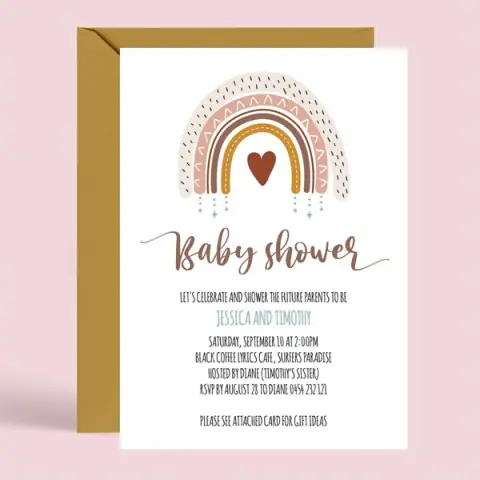
Baby Shower Invitations
Custom baby shower invitations set the tone for the party long before anyone arrives, telling guests the date, the place and…

Christening Invitations
Custom christening invitations let you share the day with family and friends on a card that feels as special as the occasion,…
Square Envelopes Questions
What buyers ask before ordering square envelopes.
How much bigger than the card should a square envelope be?
Usually 3 to 5 mm on each side for a flat card. Add more for layered cards, ribbons or embellishments, and tell us the card's thickness so we can size it properly.
Can I post square envelopes in the UK?
Yes, but their size and thickness decide the postage band. Check current Royal Mail guidance for your exact envelope before a large mail-out.
Which flap style suits wedding invitations?
Pointed diamond flaps feel traditional and are popular for weddings. Straight wallet flaps look cleaner and leave more room for a printed monogram.
Can you print inside the envelope?
Yes. A printed pattern on the inside gives a liner effect when the flap is lifted. It adds a reveal without the cost of a separate tissue liner.
Will a dark card show through a light envelope?
It can with lighter paper. A heavier stock or a printed interior pattern hides the card underneath and keeps the reveal for the recipient.
Gummed or peel-and-seal flaps?
Gummed flaps suit small batches and a traditional feel. Peel-and-seal is quicker for large mail-outs and seals more reliably without moistening.
Can you match an exact brand colour on the envelope?
We can print a solid colour over white stock and match it closely to your reference. The free proof shows the colour, and we can advise on a spot colour if precision matters.
Where should the logo go on a square envelope?
The back flap is the most popular spot, as it is the last thing seen before opening. A small logo in the front corner works too, as long as the address area stays clear.
Can I order two envelope sizes in one job?
Yes. Many card makers print a standard and a large square together. We quote both sizes in one custom quote.
What happens if envelopes arrive creased?
Report any damage or misprints within 10 days with a photo and we reprint or refund the affected envelopes. The envelopes are boxed flat to keep them square in transit.
Get a Price for Your Square Envelopes
Fill in as much as you know. Sizes are in mm (internal sizes for boxes). If you have artwork, attach it; if not, a logo is enough to start the proof.
We reply with a custom quote by email within one working day, then send a free design proof before anything is printed.
- Phone+44 7578 382054
- WhatsAppMessage us
- Emailinfo@shopcustomboxes.co.uk
- HoursMonday to Friday, 9 am to 5.30 pm UK time
- OfficeOffice 704, 85 Dunstall Hill, Wolverhampton, WV6 0SR