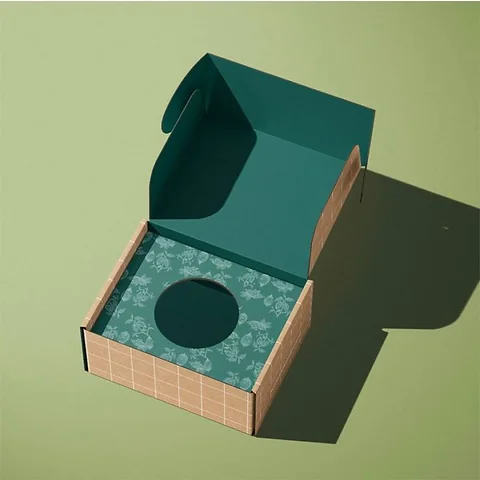
 Custom Mailer Boxes
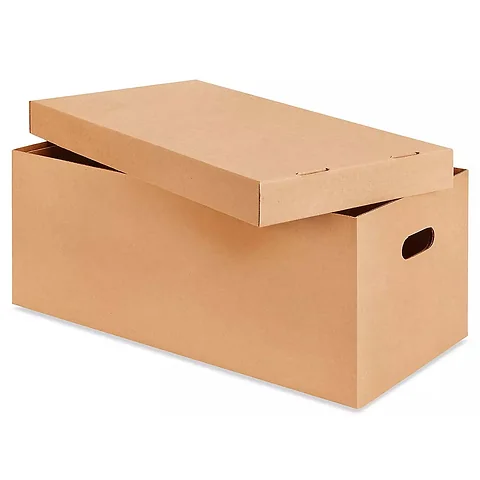 Custom Shipping Boxes
 Custom Cardboard Boxes
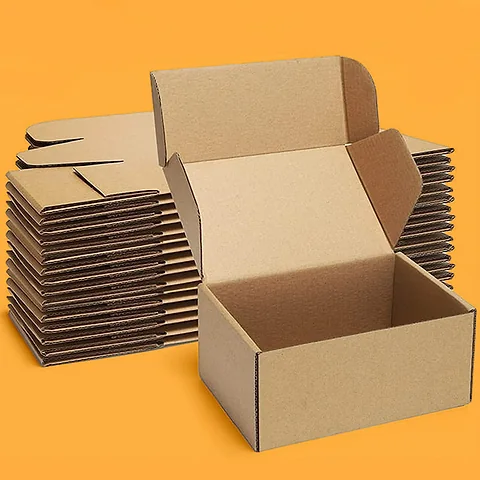 Custom Kraft Boxes
 Custom Product Boxes
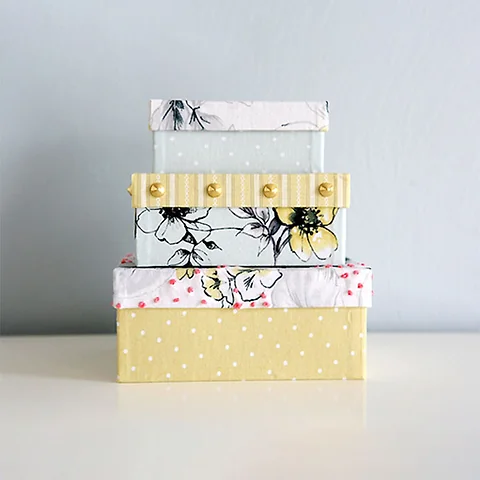 Custom Retail Boxes
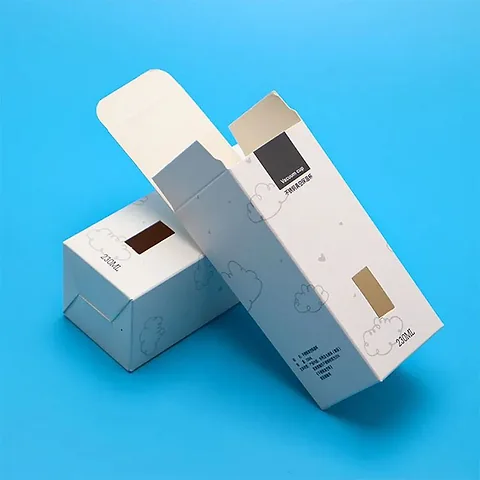 Custom Tuck End Boxes
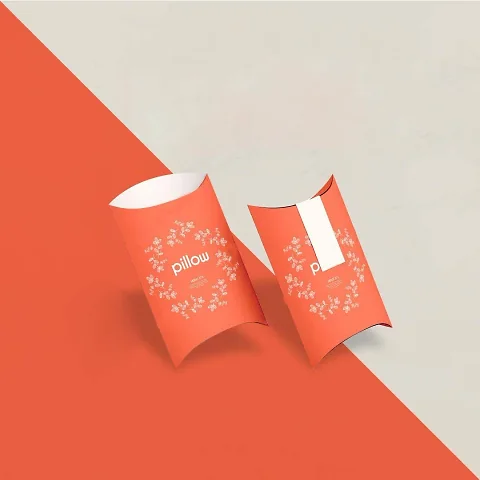 Custom Pillow Boxes
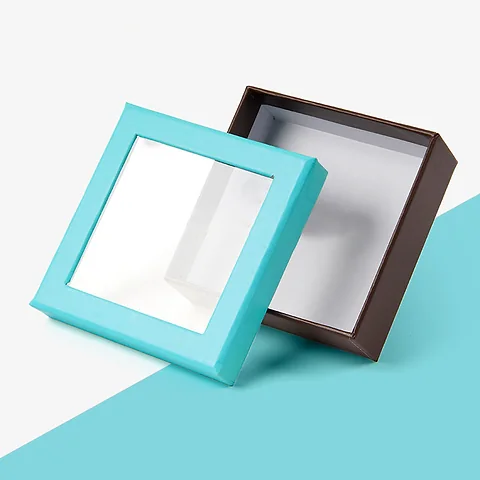 Custom Window Boxes
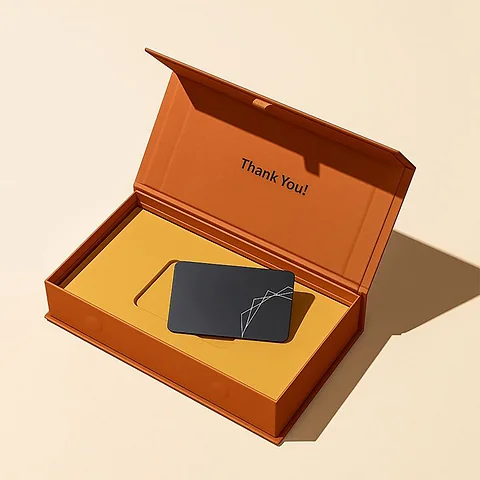 Custom Rigid Boxes
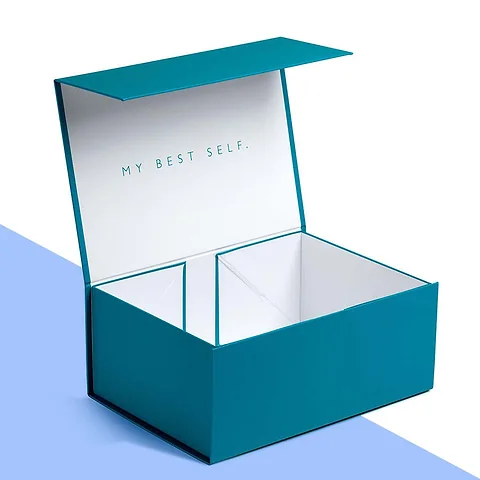 Custom Gift Boxes
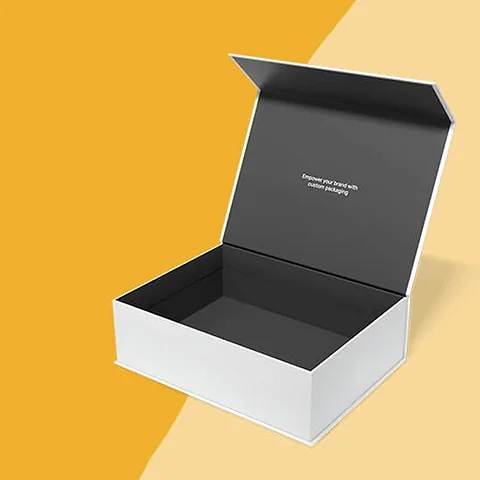 Custom Magnetic Boxes
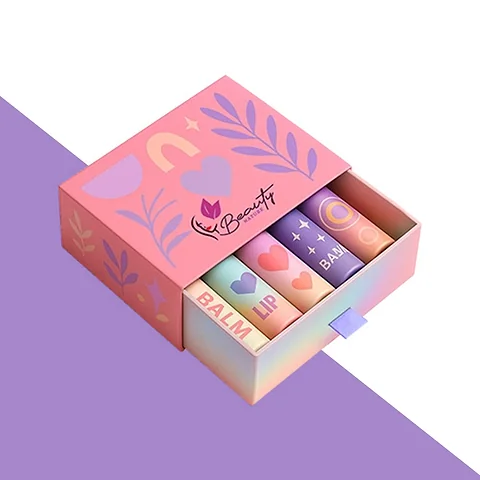 Custom Sleeve Boxes
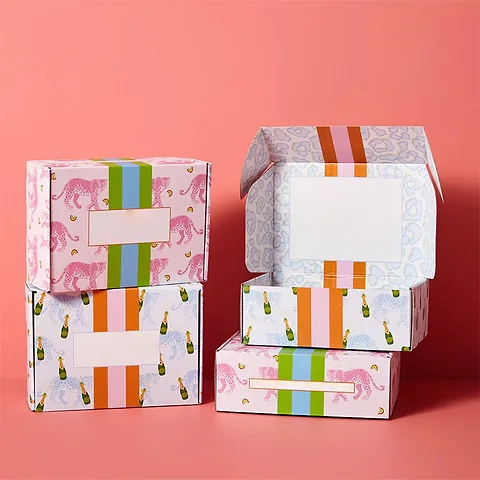 Custom Printed Boxes
 Custom Boxes with Logo
 Custom Box Inserts
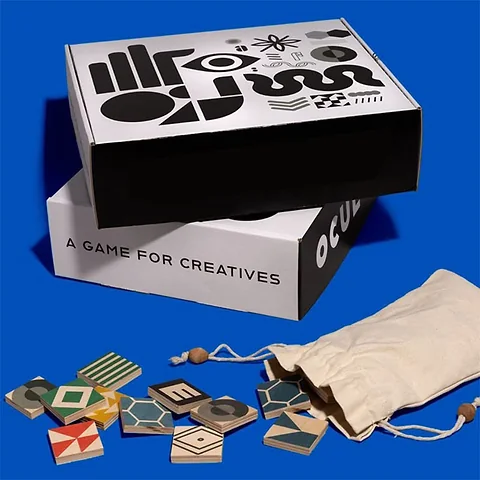
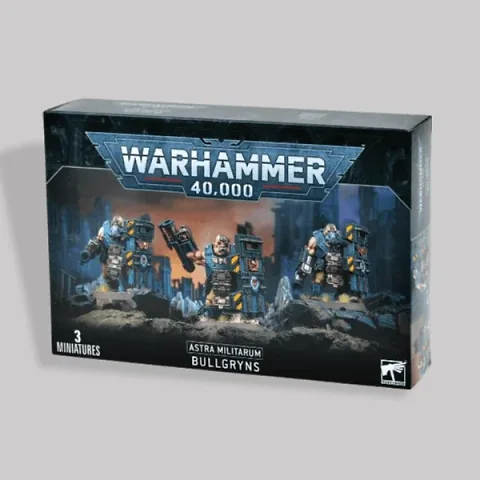
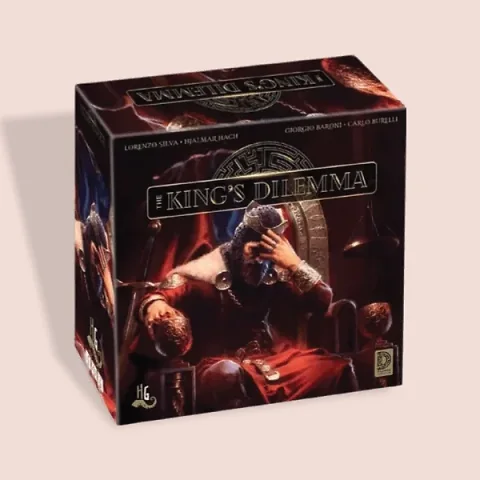
Custom Game Boxes
Custom game boxes give your card game or tabletop game the shelf presence of a big-name title, with full colour artwork on every side and an interior that keeps cards, tokens and boards in order. We make them to the size of your components, whether that is a slim tuck box or a deep rigid box with trays.
- Design proofFree, approved by you before printing
- PriceCustom quote by email within one working day
- Production4–7 working days after proof approval
- DeliveryFree and tracked, UK mainland, 2–3 working days
- Misprints or damageReported within 10 days, reprinted or refunded
The Box Is Part of the Game
For a tabletop game, the box is the first piece the player handles and the last one they put away. It sells the game in a shop or online listing, it protects the components on the shelf, and it becomes part of the ritual of setting up and packing away each session. A flimsy box that splits at the corners or lets cards spill out makes even a brilliant game feel cheap.
Indie designers often spend months on artwork and playtesting, only to leave the box until the end. It pays to think about it earlier, because the box size affects shipping costs, retail placement and how much the game can contain. Knowing your component list and rough box size early also helps when you are setting reward tiers for a crowdfunding campaign.
A well-made box also earns its keep on social media. Players love posting photos of a new game laid out on the table, and a striking lid and tidy interior show up in those pictures long after the launch. Card-only games that sell on a hook use the smaller playing card tuck boxes with hang tabs.
Game Box Formats
Card games and small filler games usually live in a tuck box, a single piece of folding board with tuck flaps at each end, or a two-piece slipcase. They are light, cheap to post and fit in a pocket or bag. A step up is a small rigid box with a lift-off lid, which feels sturdier and better suits games with tokens or dice as well as cards.
Larger board games use the classic rigid lid and base: two trays of thick greyboard wrapped in printed paper, with the lid sliding down over the base. Magnetic flip-top boxes and drawer-style boxes suit premium editions and collector releases. For prototypes and very short runs, a folding board box with a separate lid can look surprisingly polished at a lower cost.
- Tuck boxes for card decks and pocket games
- Small rigid lid and base boxes for card and dice games
- Full-size rigid boxes for board games
- Magnetic flip-top boxes for deluxe editions
- Drawer boxes for expansions and collector sets
Often ordered by
- Indie game designers
- Small tabletop publishers
- Crowdfunded game projects
- Escape room companies
- Educators and charities
- Businesses making custom games
Popular Game Boxes Sizes
Sizes are in mm. Every order is cut to your size, so any size between these rows is fine.
| Size | Often used for |
|---|---|
| Card deck tuck 68 x 93 x 25 mm | A single deck of standard playing cards |
| Small card game 100 x 140 x 40 mm | Two decks with a rule sheet |
| Filler game 180 x 130 x 50 mm | Cards, dice and tokens |
| Standard board game 280 x 280 x 70 mm | Folded board, cards and tokens |
| Large board game 300 x 300 x 100 mm | Games with miniatures or many components |
Not sure of the size? Send the product measurements and we work out the rest.
Styles
- Tuck boxes
- Two-piece slipcases
- Rigid lid and base
- Magnetic flip-top
- Drawer boxes
Materials
- Folding board
- Rigid greyboard with printed wrap
- E-flute for shipping editions
- Full colour CMYK wrap
- Printed inside lid
- Spot colours
Finishes
- Matt lamination
- Gloss lamination
- Linen texture
- Spot gloss
- Foil
- Emboss
Extras
- Card inserts
- Foam inserts
- Token trays
- Shrink wrapping
- Outer mailers
See the board and finish guide for what each option looks like.
Production and Delivery
Production takes 4–7 working days after you approve the free design proof. Delivery to the UK mainland is free and tracked, and arrives in 2–3 working days once the order leaves production. The tracking link comes to you by email.
Reprints and Refunds
Check the order when it arrives. If anything is misprinted or damaged, report it within 10 days with a photo and we reprint or refund the items affected. Read the full returns and reprints policy.
Need it by a date?
Tell us the date with your sizes and we plan the proof and production around it.
Game Boxes Specification
| Style | Tuck boxes, Two-piece slipcases, Rigid lid and base, Magnetic flip-top, Drawer boxes |
|---|---|
| Material | Folding board, Rigid greyboard with printed wrap, E-flute for shipping editions |
| Full colour CMYK wrap, Printed inside lid, Spot colours | |
| Finish | Matt lamination, Gloss lamination, Linen texture, Spot gloss, Foil, Emboss |
| Extras | Card inserts, Foam inserts, Token trays, Shrink wrapping, Outer mailers |
| Size | Made to your size in mm |
| Minimum order | Low, quoted per job |
| Price | From £0.25 a box; custom quote by email within one working day |
| Proof | Free design proof before printing |
| Production | 4–7 working days after proof approval |
| Delivery | Free tracked UK mainland delivery, 2–3 working days |
Sizing Around Your Components
List every component: card decks, folded boards, rulebooks, tokens, dice, miniatures and any sleeved cards. The largest flat item, usually the folded board or the rulebook, sets the footprint. Stacked heights and bulky pieces set the depth. Allow a little extra so the lid closes without bulging, especially if players are likely to sleeve their cards.
Retail shelf space and postage also matter. Common square board game footprints fit standard shop shelving, and boxes that sit within courier size bands keep fulfilment costs predictable. If you are shipping to backers, size the box so it fits snugly in a standard mailer with a little padding.
A quick cardboard mock-up is worth making before you settle. Tape together a box at your proposed size, pack a full set of prototype components inside and shake it gently. If pieces rattle or the lid lifts, adjust the depth or the insert before artwork is finalised, because changing dimensions late means redrawing the whole wrap. Our guide to measuring components for a box covers stacked decks and boards.
Inserts That Make Setup Faster
A good insert is one of the most appreciated parts of a modern game. Card wells hold decks upright, small trays keep tokens sorted and a raised platform lifts the board to the top so it is the first thing out. Players notice when they can open a box and start playing in minutes rather than sorting a pile of loose bits.
Card inserts are cut and folded from board and can be printed to match the game. They are light and cost-effective. For heavier components such as miniatures, foam inserts cut to shape hold pieces firmly. Ask for a lid-height check on the proof so the insert does not stop the lid closing once everything is packed.
Label the wells subtly if your game has many parts. A small printed icon at the bottom of each tray shows players where each component belongs, which speeds up packing away at the end of a long evening. Trays and dividers are drawn up the same way as the card inserts and trays we make.
Artwork and Print for Game Boxes
Game box artwork works hard. The lid needs a striking illustration and a readable title from across a shop. The sides should carry the title and a logo so the game is recognisable when stacked on a shelf. The back is the sales pitch: a short description, photos of the game in play, player count, age guide and playing time.
Full colour printing on a smooth paper wrap captures detailed illustration. Matt lamination gives a modern, tactile feel and hides fingerprints, while gloss makes colours richer. Spot gloss on the title, foil on a logo or an embossed emblem on the lid add a premium touch without raising the cost much.
- Bold title readable on lid and side panels
- Back panel with description and component photo
- Player count, age guide and play time icons
- Spot gloss, foil or emboss highlights
Who Orders Printed Game Boxes
Independent game designers and small publishers are the core customers, often preparing for a crowdfunding campaign or a convention launch. Escape room companies order boxes for take-home puzzle games. Educators and charities make learning games and need durable boxes for classrooms. Businesses commission custom games for team building, training and promotional gifts.
Puzzle and quiz brands, card game creators selling direct online and party game makers also use custom game boxes when their first print run moves beyond handmade copies.
Corporate and training games are a growing group. A bespoke quiz or strategy game in a properly printed box makes a memorable gift for clients, and a durable box means the game survives repeated use in workshops rather than ending up in a drawer after one session. Two-deck sets for corporate gifts often use the playing card boxes for double decks.
Lock the Component List Before the Wrap Artwork
Game boxes are drawn from the inside out, so freeze the component list before the artist starts on the wrap. A late decision to add a second deck or a set of wooden tokens changes the box depth, and on a rigid box that means redrawing the whole wrap. Stack the folded board, the decks in their tuck boxes and the token bags as they will ship, measure the stack, and send that with the format you want. The free proof then shows the wrap or dieline with every panel marked, so you can check where the title, artwork and back text fall.
A custom quote comes by email within one working day, with folding formats from £0.25 and low minimums quoted per job, which suits a short run for playtesters or reviewers before a larger order. Production follows approval and takes 4 to 7 working days; free tracked delivery to UK mainland addresses follows in 2 to 3 working days, and boxes that arrive damaged or misprinted are reprinted or refunded if reported within 10 days. Games sold by post also need a games shipping box that protects the corners.
Design Your Game Box
Choose the game boxes photo closest to what you have in mind, add your logo, drag it into place and set the size. Send it with your sizes and we reply with a custom quote and a free design proof.
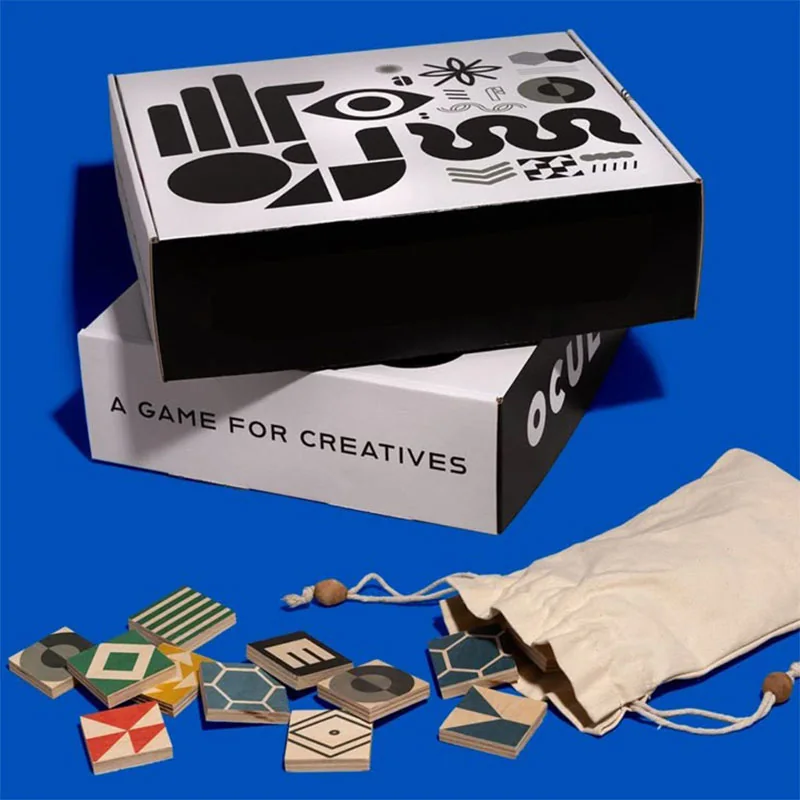

Drag the logo, or select it and use the arrow keys (Shift moves faster, + and − resize).
Related Products
Other packaging that is often ordered alongside game boxes.
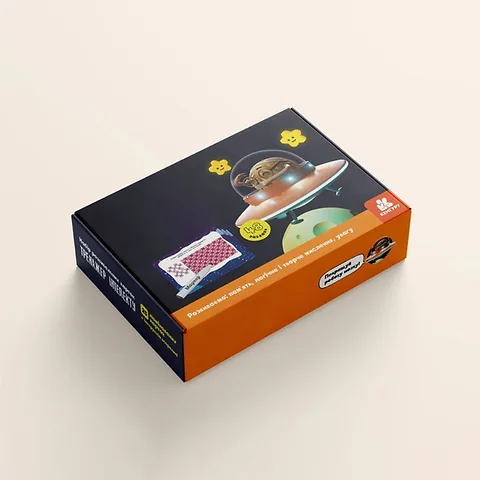
Board Game Boxes
Custom board game boxes are rigid lid and base boxes wrapped in your printed artwork, with insert trays that give every board,…
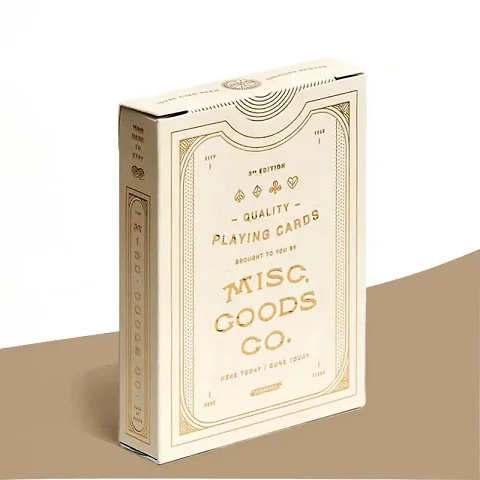
Playing Card Boxes
Custom playing card boxes are the tuck cases, two-piece boxes and magnetic cases that hold a deck snugly and carry its artwork…
Playing Card Tuck Boxes
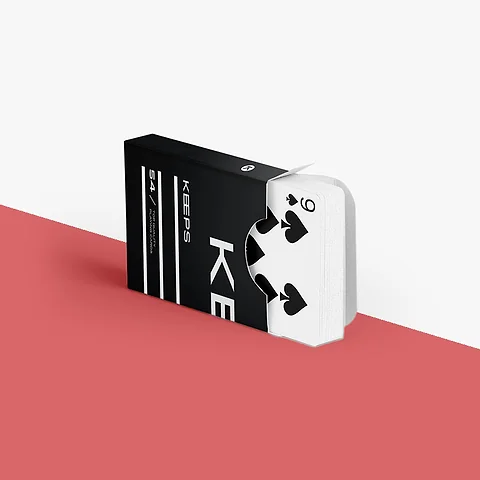
Custom playing card tuck boxes hold a deck snugly, open with a thumb notch and close with a tuck flap that survives hundreds…
Games Shipping Boxes
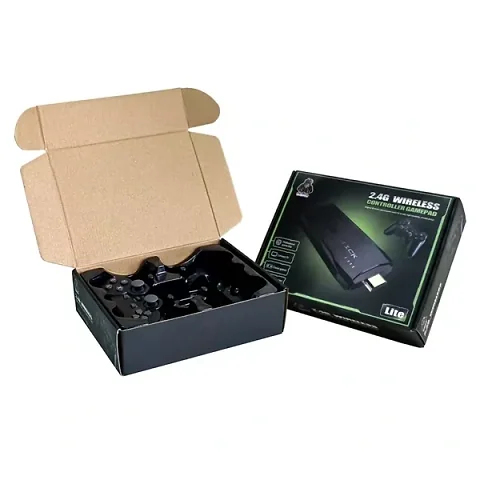
Custom games shipping boxes are corrugated mailers made to carry board games, video game bundles and consoles through the post…
Game Boxes Questions
What buyers ask before ordering game boxes.
What box suits a card game?
A tuck box or slipcase suits a single deck or small card game. If you have extra tokens or dice, a small rigid lid and base box feels sturdier and holds everything securely.
How do I work out my box size?
List every component and find the largest flat item, usually the board or rulebook. That sets the footprint, and stacked components set the depth. We check the numbers in your quote.
Should I allow room for sleeved cards?
If your players are likely to sleeve cards, allow extra width and depth in the card wells. Mention it in your enquiry so the insert is sized for sleeved decks.
Can you make an insert for tokens and decks?
Yes, card inserts with wells and trays keep components organised. Foam inserts suit heavier pieces such as miniatures.
Can I order a short run for playtesting or reviewers?
Yes, minimums are quoted per job, so a small batch for testing or press copies is possible before a larger run.
What do retail buyers look for on the back of a game box?
Player count, age guide and playing time in a row of icons, a short description and a photo of the game set up on a table. Buyers scan those three icons first, so keep them large and in the same spot across your range.
Is it worth printing the inside of a game box lid?
Yes when it does a job: a quick-start summary, the credits or a piece of story that players read as they open the box for the first time. It is a small extra on the quote and the proof shows it alongside the outer wrap.
Which finish is best for a game box?
Matt lamination hides fingerprints and feels modern, and linen texture gives a classic board game feel. Gloss suits bright, colourful artwork.
Can you shrink wrap the finished boxes?
Ask about shrink wrapping in your enquiry. It protects boxes on the shelf and shows the game is new and complete.
How long before my backers' boxes ship?
Box production takes 4–7 working days after proof approval and free tracked UK mainland delivery takes 2–3 working days. Allow extra time for packing components into the boxes yourself.
Can you make boxes for expansions in the same style?
Yes, expansion boxes can match the base game artwork and finish. Many publishers use a smaller version of the same box style.
Get a Price for Your Game Boxes
Fill in as much as you know. Sizes are in mm (internal sizes for boxes). If you have artwork, attach it; if not, a logo is enough to start the proof.
We reply with a custom quote by email within one working day, then send a free design proof before anything is printed.
- Phone+44 7578 382054
- WhatsAppMessage us
- Emailinfo@shopcustomboxes.co.uk
- HoursMonday to Friday, 9 am to 5.30 pm UK time
- OfficeOffice 704, 85 Dunstall Hill, Wolverhampton, WV6 0SR