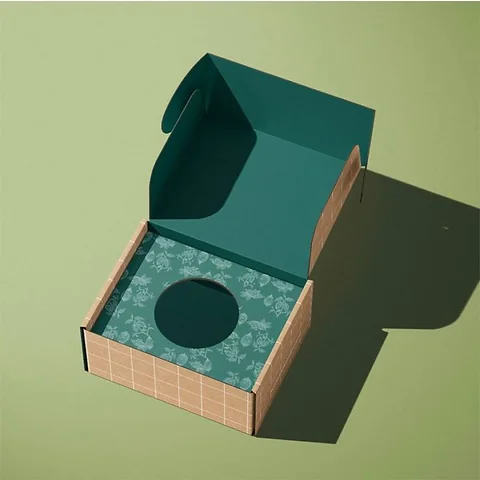
 Custom Mailer Boxes
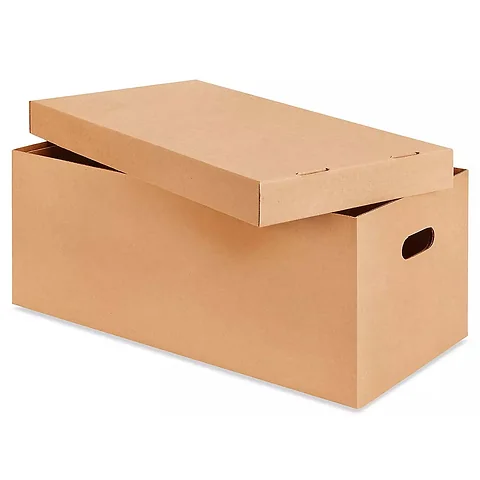 Custom Shipping Boxes
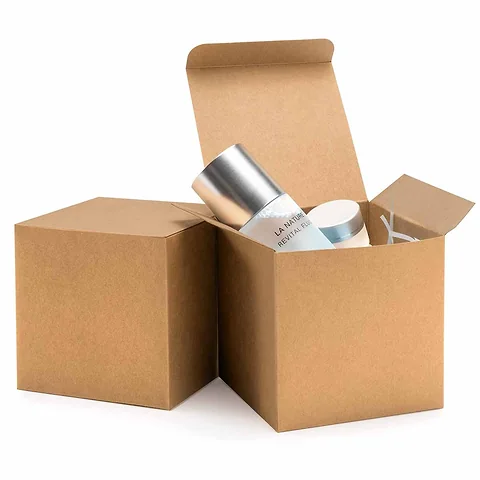 Custom Cardboard Boxes
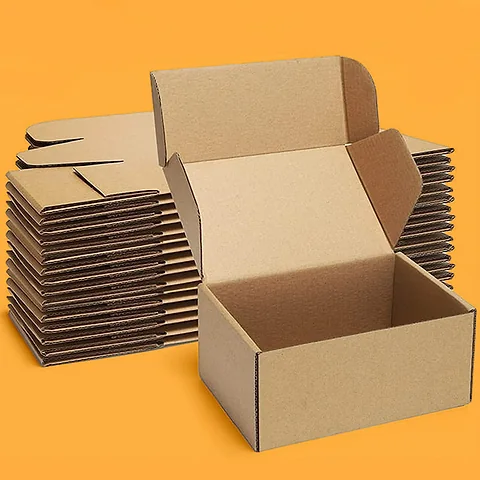 Custom Kraft Boxes
 Custom Product Boxes
 Custom Retail Boxes
 Custom Tuck End Boxes
 Custom Pillow Boxes
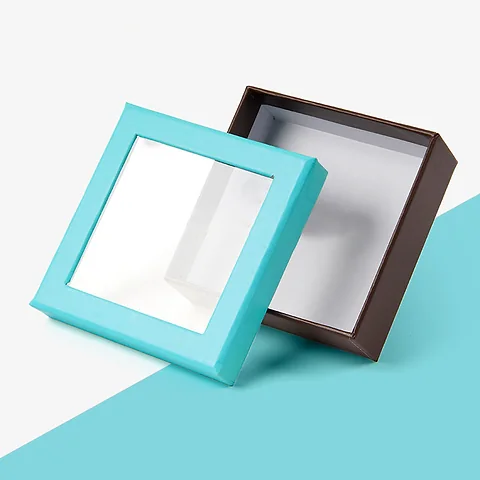 Custom Window Boxes
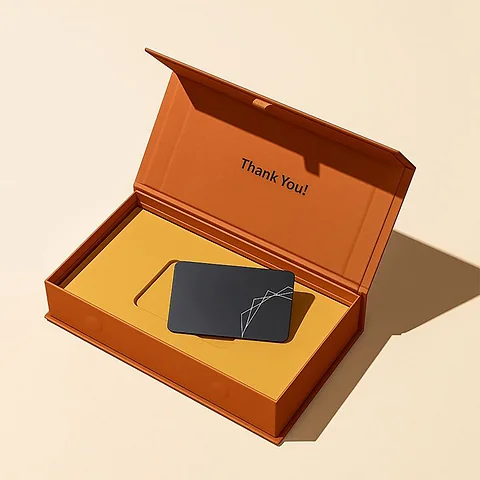 Custom Rigid Boxes
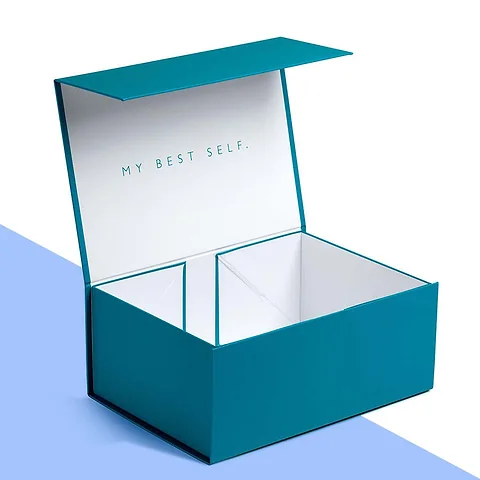 Custom Gift Boxes
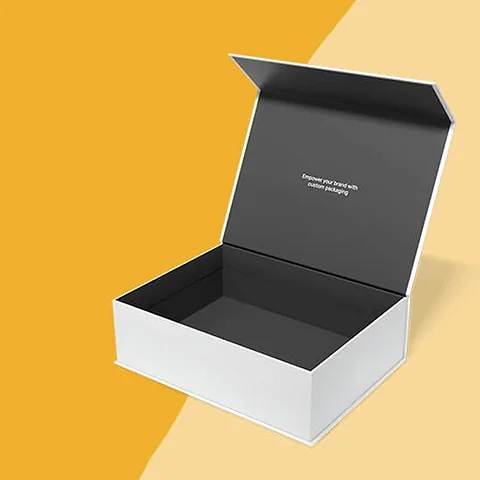 Custom Magnetic Boxes
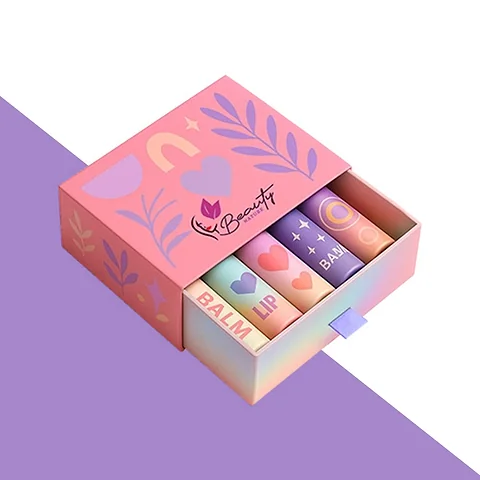 Custom Sleeve Boxes
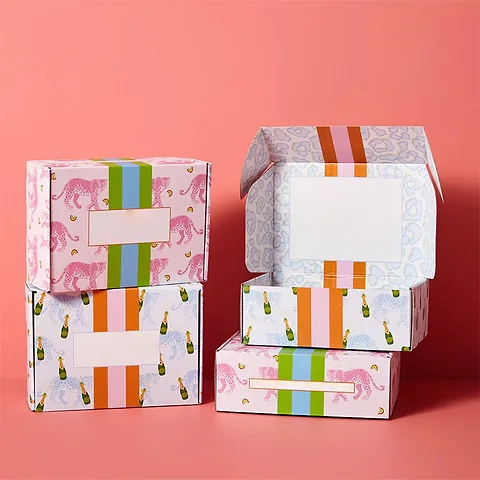 Custom Printed Boxes
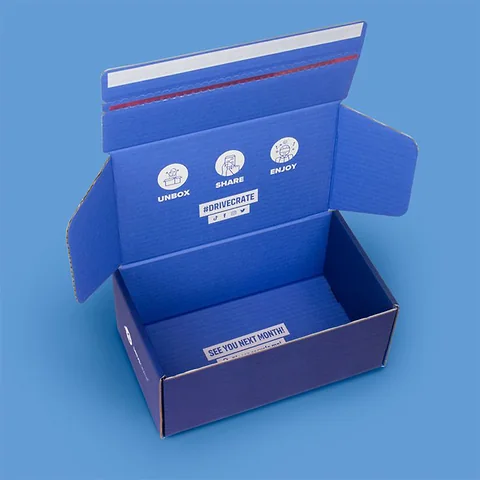 Custom Boxes with Logo
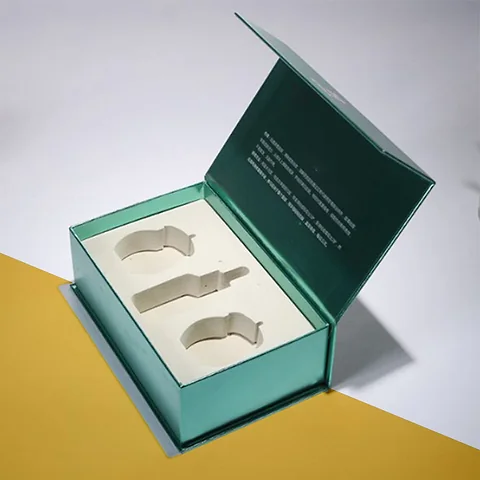 Custom Box Inserts
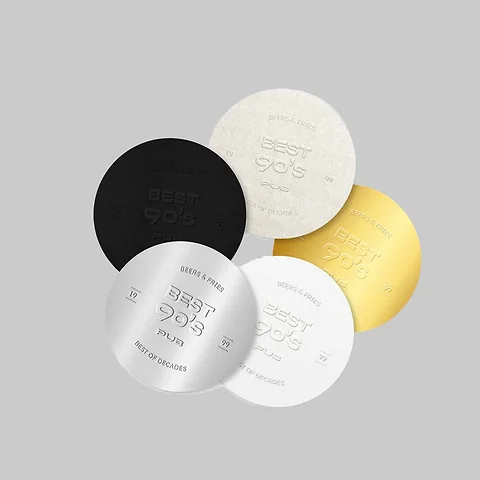
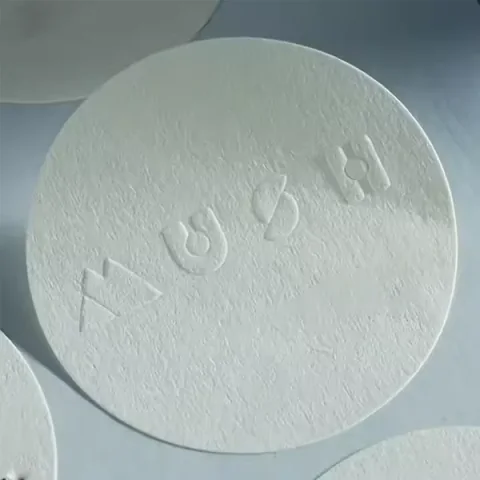
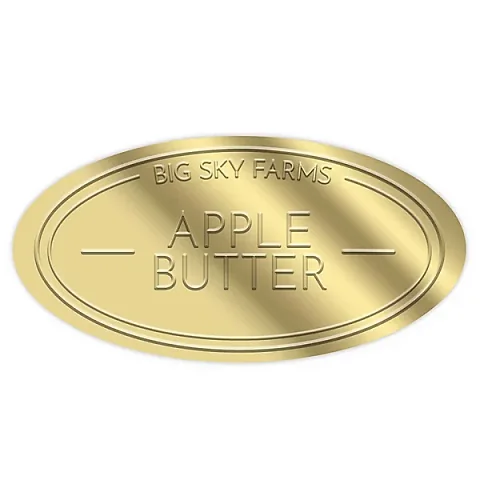
Custom Embossed Labels
Run a finger across a good embossed label and you feel the brand name rise from the paper, a small detail that tells customers the product inside was made with care. Our custom embossed labels combine raised lettering with foil and textured stocks for jars, bottles and boxes in premium food and cosmetic ranges.
- Design proofFree, approved by you before printing
- PriceCustom quote by email within one working day
- Production4–7 working days after proof approval
- DeliveryFree and tracked, UK mainland, 2–3 working days
- Misprints or damageReported within 10 days, reprinted or refunded
What Embossing Adds to a Label
Embossing presses a design into the label material from behind, so it stands up from the surface. The raised area catches light and casts tiny shadows, giving depth that flat printing cannot match. It also adds a tactile element: customers often touch an embossed label without realising they are doing it, and that moment of contact makes the product feel more special.
Labels with embossing are common on wine and spirits, artisan foods such as honey, preserves and olive oil, and premium cosmetics such as perfume, candles and skincare. They signal quality without shouting, which suits brands that want to look refined rather than loud.
Embossing can be used on its own, with no ink, which is called blind embossing. Or it can be combined with print or foil, so the raised area is also coloured or metallic. For a small producer, an embossed label is often the most affordable route to a premium look. A plain glass jar or a stock bottle, dressed with a well-made embossed label, can sit beside far more expensive custom packaging on a deli shelf and hold its own. The same effect on a seal is shown on our embossed stickers for sealing boxes page.
Blind, Registered and Foil Embossing
There are three main ways to use embossing on a label, and each creates a different effect. The choice depends on your design and the impression you want to give. Our foil and embossing compared guide shows each finish on the same label.
- Blind embossing: raised with no ink, a subtle, elegant effect best on textured or coloured stock
- Registered embossing: raised area lined up exactly with printed ink, so a logo is both coloured and raised
- Foil embossing: foil and embossing applied together, giving a raised metallic finish that catches the light
- Debossing: the reverse, pressing the design into the label for a recessed effect
Often ordered by
- Wine and spirits producers
- Artisan food makers
- Honey and preserve producers
- Candle makers
- Premium cosmetic brands
- Olive oil producers
- Chocolate makers
Popular Embossed Labels Sizes
Sizes are in mm. Every order is cut to your size, so any size between these rows is fine.
| Size | Often used for |
|---|---|
| Small jar label 50 mm diameter | Jar lids for honey, preserves and candles |
| Jar front label 90 x 60 mm | Fronts of jars and small tins |
| Bottle label 80 x 110 mm | Wine, spirits and oil bottles |
| Tall bottle label 70 x 140 mm | Slim spirit and cordial bottles |
| Box label 100 x 70 mm | Plain gift boxes and cartons |
Not sure of the size? Send the product measurements and we work out the rest.
Styles
- Rectangular labels
- Round and oval labels
- Die-cut shaped labels
- Labels on rolls or sheets
Materials
- Textured felt-marked paper
- Laid and cotton-style papers
- Smooth white paper
- Black, cream and kraft stocks
- Full colour CMYK
- Pantone colours
- Registered print with embossing
Finishes
- Blind embossing
- Registered embossing
- Foil embossing in gold, silver, copper or rose gold
- Debossing
Extras
- Custom die-cut shapes
- Raised borders
- Varnish for durability
- Matching seal labels
Not sure which material or finish suits? Tell us how the label will be used and we suggest one in your custom quote.
Production and Delivery
Production takes 4–7 working days after you approve the free design proof. Delivery to the UK mainland is free and tracked, and arrives in 2–3 working days once the order leaves production. The tracking link comes to you by email.
Reprints and Refunds
Check the order when it arrives. If anything is misprinted or damaged, report it within 10 days with a photo and we reprint or refund the items affected. Read the full returns and reprints policy.
Need it by a date?
Tell us the date with your sizes and we plan the proof and production around it.
Embossed Labels Specification
| Style | Rectangular labels, Round and oval labels, Die-cut shaped labels, Labels on rolls or sheets |
|---|---|
| Material | Textured felt-marked paper, Laid and cotton-style papers, Smooth white paper, Black, cream and kraft stocks |
| Full colour CMYK, Pantone colours, Registered print with embossing | |
| Finish | Blind embossing, Registered embossing, Foil embossing in gold, silver, copper or rose gold, Debossing |
| Extras | Custom die-cut shapes, Raised borders, Varnish for durability, Matching seal labels |
| Size | Made to your size in mm |
| Minimum order | Low, quoted per job |
| Price | From £0.25 a label; custom quote by email within one working day |
| Proof | Free design proof before printing |
| Production | 4–7 working days after proof approval |
| Delivery | Free tracked UK mainland delivery, 2–3 working days |
Choosing Stock for Embossed Labels
Not every label material embosses well. Thicker, softer papers take embossing best, holding a crisp raised shape. Textured papers, such as felt-marked, laid or cotton-style stocks, are especially popular for embossed labels on wine, spirits and artisan food, because the texture and the raised design work together.
Smooth white papers emboss well too and suit cleaner, modern designs. Very thin papers and most plastic films do not hold embossing as well, so if you need a waterproof label for a bottle that will sit in ice, we will advise on the best compromise between durability and embossing depth.
Coloured stocks, such as black, cream or kraft, make blind embossing especially striking, as the raised design shows through light and shadow alone. Flat, unembossed versions of the same designs are our product labels on plain stock.
Designing for Embossing
Embossing works best on bold elements: a logo, a brand name or a simple border. Very fine lines and small text can lose definition when raised, so keep embossed elements at a generous size. Text that will be embossed should usually be at least 8 to 10 pt, and lines at least 0.5 mm thick.
Plan which parts of the label will be raised and which will be flat. A common approach is to emboss the logo and perhaps a decorative border, while keeping product information, ingredients and legal text flat and printed. This keeps the label readable while adding a premium touch where it matters.
We create a separate embossing plate for your design, so send artwork with the embossed areas on their own layer. The free proof shows exactly which elements will be raised. If you are designing from scratch, it helps to think about the label at arm's length and up close. From a distance, the shopper sees colour and shape; up close, in the hand, they notice the embossing and the paper texture. A good embossed label works at both distances, with a clear overall design and a raised detail that rewards a closer look. Shaped outlines follow the same artwork rules as our logo stickers cut to shape.
Labels for Jars, Bottles and Boxes
Embossed labels are used on many containers. On jars, a round or oval label on the lid or front suits honey, preserves, candles and skincare. On bottles, a tall rectangular label or a shaped label with a curved top suits wine, spirits, olive oil and cordials. On boxes, an embossed label can replace full box printing, turning a plain box into a branded one.
Shape matters. A die-cut label, cut to a custom outline such as a shield, a crest or an arch, looks more distinctive than a simple rectangle. Embossing within a shaped label, with a raised border following the outline, creates a classic, crafted look.
When applying labels to curved surfaces, the embossing should not be so deep that it causes the label to lift. We balance depth and adhesion for your container. If you apply labels by hand, supply on sheets is usually easiest; if you use a labelling machine, tell us the core size and the direction the labels should come off the roll, and we set up the reels to suit. Round containers with a strong curve are covered on the jar labels for curved surfaces page.
Pairing Embossing With Foil
Foil and embossing are a natural pair. Gold foil on a raised logo shines and catches the eye from across a shop, while copper and rose gold give a warmer feel. Silver foil suits modern and clean designs. Matt foils give a more understated metallic finish.
On dark stocks, a foil embossed logo is particularly striking. Foil reflects whatever light is around it, so a label that looks quiet under a warm shop lamp can sparkle under bright supermarket lighting; it is worth picturing where your jars and bottles will actually be sold when choosing between bright and matt foils. A black label with gold foil embossing is a classic for spirits, chocolate and luxury candles. A cream label with copper foil embossing suits artisan food and natural cosmetics. A shimmer without a raised edge is available as hologram stickers for a metallic effect.
Mark the Raised Areas on a Printout
Embossed labels go wrong when the raised area is decided late, so print your label artwork at actual size, take a pen and shade exactly what should rise: usually the brand name or a single motif, rarely both. That shaded printout, scanned or photographed, is the clearest brief we can get. Then tell us the container the label goes on, because a tightly curved bottle limits how deep the emboss can be, and the stock you prefer; textured uncoated papers show embossing best. Supply the artwork as vector files with the emboss on its own layer, and we show the raised elements on a free proof. The quote comes by email within one working day; minimums are low and set per job, though the small plate cost means a slightly longer run costs less per label. Labels are produced in four to seven working days after approval and delivered free and tracked on the UK mainland. Soap makers who want the same effect on a textured stock use our soap labels on textured paper.
Design Your Embossed Label
Choose the embossed labels photo closest to what you have in mind, add your logo, drag it into place and set the size. Send it with your sizes and we reply with a custom quote and a free design proof.
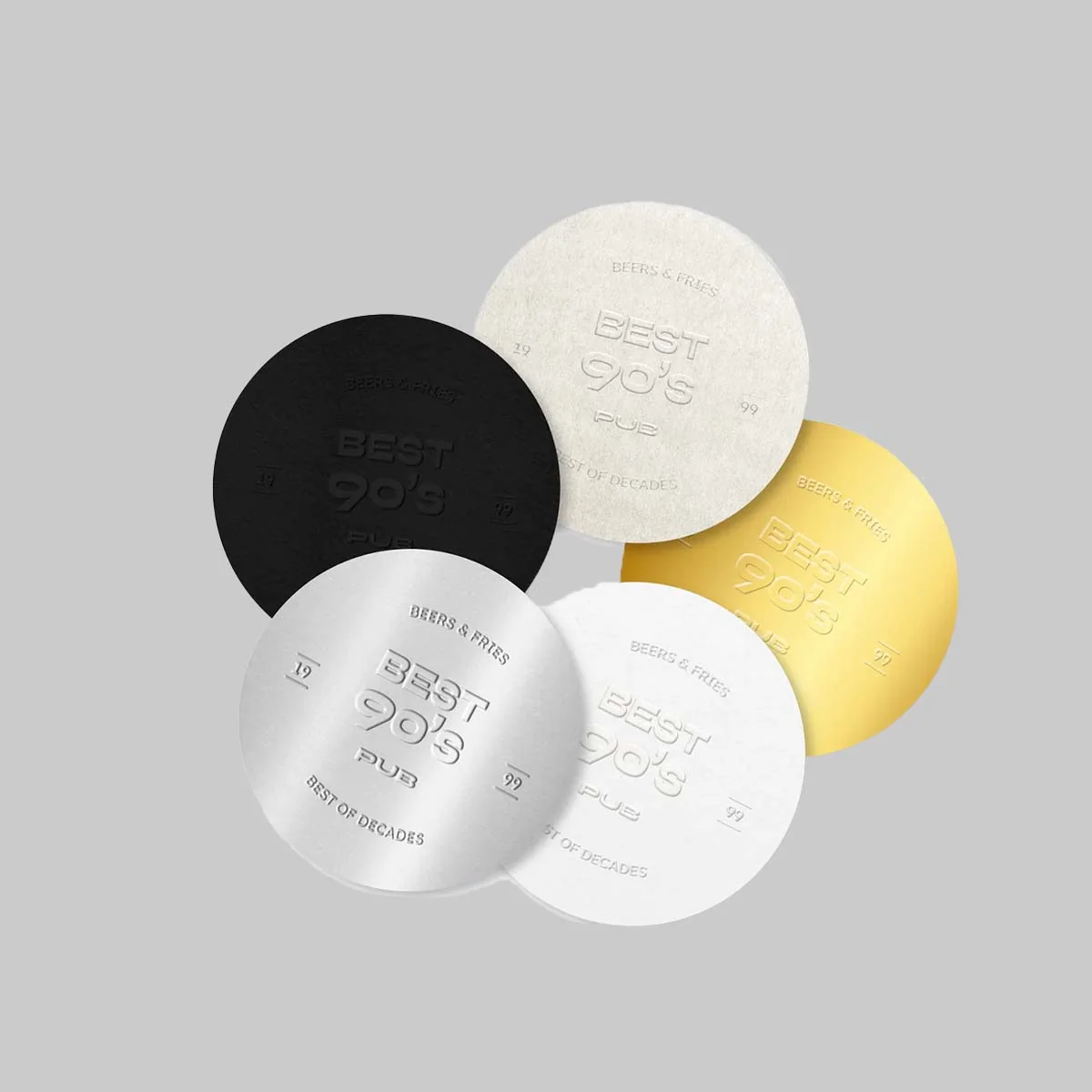
Drag the logo, or select it and use the arrow keys (Shift moves faster, + and − resize).
Related Products
Other packaging that is often ordered alongside embossed labels.
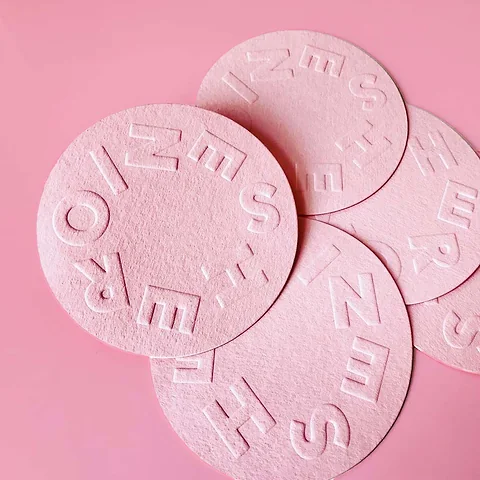
Custom Embossed Stickers
Custom embossed stickers are seals with a raised design pressed into the material, often combined with gold, silver or…
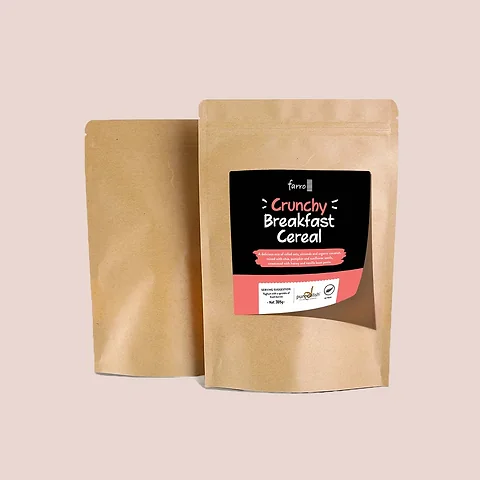
Custom Product Labels
Custom product labels are often the first thing a shopper reads on a bottle, jar or pouch, and for small brands they are…
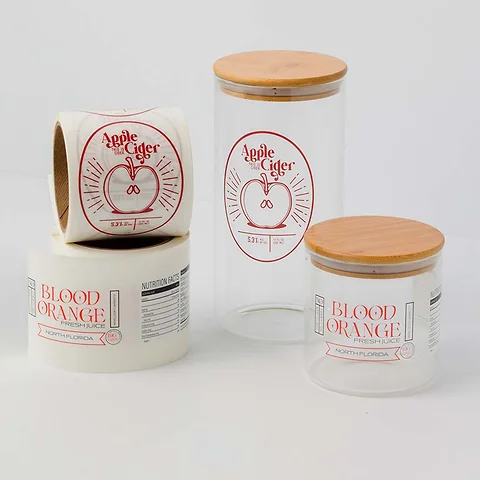
Custom Jar Labels
Custom jar labels turn a plain glass jar of jam, honey or chutney into something that looks at home on a deli shelf.
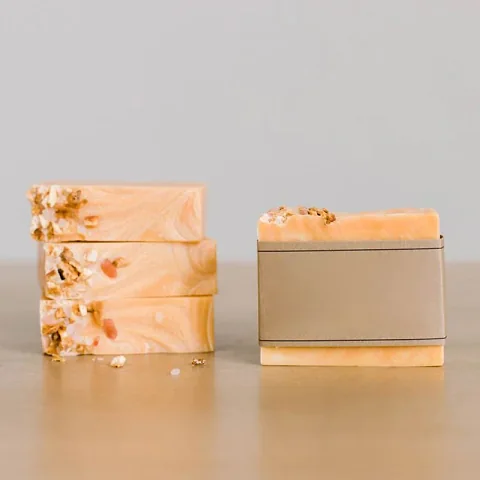
Custom Soap Labels
Handmade soap is often sold almost naked, with a printed band or label doing all the work of branding and legal information.
Embossed Labels Questions
What buyers ask before ordering embossed labels.
Is blind embossing visible on a white label?
Yes, but it is subtle: blind embossing raises the design without ink or foil, so on white paper it reads as a shadow and a texture. It looks strongest on textured or coloured papers under angled light. If the logo must be read from a distance, add print or foil beneath it.
How small can embossed text be?
Embossed text should usually be at least 8 to 10 pt, and lines at least 0.5 mm thick. Smaller details can lose definition when raised.
Can I emboss a label for a curved bottle?
Yes. We balance the embossing depth with adhesion so the label sits flat on the curve without lifting.
Which paper is best for embossing?
Thicker, softer papers emboss best. Textured felt-marked and cotton-style papers are especially popular for premium labels.
Can a label be foil embossed in rose gold?
Yes, foil embossing applies the foil and the raised impression in one pass, so the metallic finish sits on the raised design. Gold, silver, copper and rose gold are all available. Rose gold works well on blush, cream and black stocks.
Are embossed labels waterproof?
Paper labels are not fully waterproof. A varnish adds protection, and we can advise on options for bottles that will sit in ice buckets.
How should I prepare artwork for embossing?
Put the elements to be embossed on a separate layer in your file. The free proof shows exactly which areas will be raised.
Why do larger runs cost less per label?
Embossing needs a plate made for your design. The plate cost is spread across the run, so the price per label falls as quantity rises.
Can embossed labels be shaped?
Yes. Die-cut shapes such as shields, crests and arches are popular, often with a raised border following the outline.
When will my embossed labels arrive?
Allow four to seven working days after proof approval for production, then two to three working days for free tracked UK mainland delivery. The emboss plate is made while the proof is being checked, so it does not add time. Reorders reuse the plate.
Get a Price for Your Embossed Labels
Fill in as much as you know. Sizes are in mm (internal sizes for boxes). If you have artwork, attach it; if not, a logo is enough to start the proof.
We reply with a custom quote by email within one working day, then send a free design proof before anything is printed.
- Phone+44 7578 382054
- WhatsAppMessage us
- Emailinfo@shopcustomboxes.co.uk
- HoursMonday to Friday, 9 am to 5.30 pm UK time
- OfficeOffice 704, 85 Dunstall Hill, Wolverhampton, WV6 0SR